

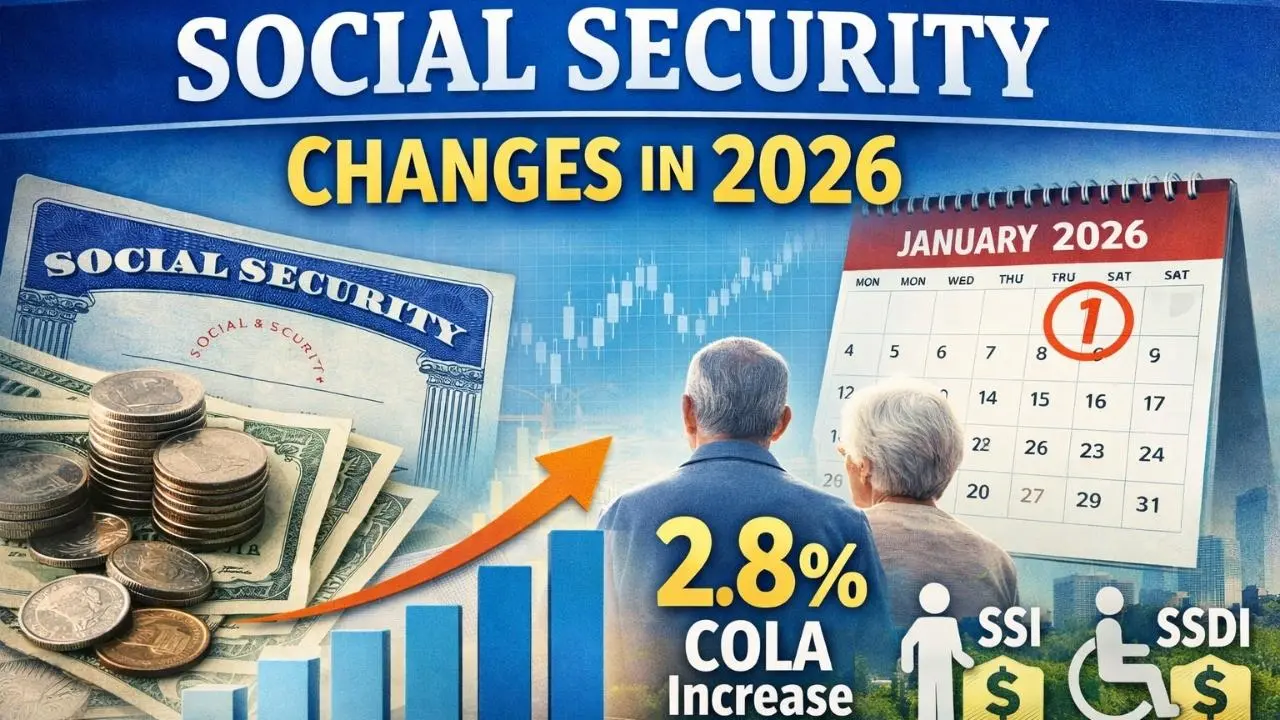
The SSDI payment change has been officially announced by the U.S. government, signaling a major update regarding Social Security Disability Insurance (SSDI) payments. Beginning January 6, 2026, paper checks will no longer be issued to beneficiaries. As discussed by Light Feed, this change is part of a broader federal initiative to modernize benefit delivery, enhance security, and ensure faster access to funds. Beneficiaries who fail to transition to an electronic payment method before this date may experience a disruption in their monthly payments.
This article provides a detailed guide on the SSDI payment change, including who it affects, how to update payment preferences, and answers to common questions to help recipients navigate the transition seamlessly.

Why the SSDI Payment Change Is Happening
The Treasury Department and Social Security Administration (SSA) are implementing the SSDI Payment Change by phasing out paper checks to improve efficiency and security. Paper checks are vulnerable to theft, loss, and postal delays. By moving to electronic payments, the government aims to:
- Increase security: Digital payments are less likely to be intercepted or misused.
- Reduce fraud risk: Eliminates problems related to lost or stolen checks.
- Ensure faster delivery: Payments arrive on the scheduled date via direct deposit or prepaid card.
- Lower administrative costs: Reduces printing and mailing expenses, saving taxpayer funds.
This transition is part of a wider modernization effort across federal benefit programs, including retirement benefits and Supplemental Security Income (SSI), which are also shifting away from paper-based delivery.
Who Is Affected by the SSDI Payment Change
The SSDI payment change affects beneficiaries who still receive monthly payments via mailed checks. While most recipients have already adopted electronic payments, a notable number — particularly older adults, individuals without bank accounts, and residents of rural areas — continue to rely on paper checks.
To determine whether you are affected, check your latest SSA statement or log into your my Social Security account at ssa.gov/myaccount.
Important Deadline: January 6, 2026
The cutoff for paper check issuance is January 6, 2026. Beneficiaries must switch to an electronic payment method before this date to avoid interruptions.
Missing the deadline will result in the temporary suspension of benefits until a valid payment method is registered. Early action is strongly recommended to ensure continuous access to SSDI payments.
Electronic Payment Options for SSDI
The SSA offers two primary methods for receiving SSDI payments electronically:
1. Direct Deposit to Bank or Credit Union
Direct deposit is the most common and recommended method. SSDI payments are automatically transferred to a checking or savings account, providing immediate access and added security.
Benefits include:
- Guaranteed on-time monthly payments
- Reduced risk of lost or stolen checks
- Accessibility through online and mobile banking
- Free of charge for recipients
To enroll in direct deposit:
- Log in to your my Social Security account.
- Provide your bank routing and account numbers.
- Confirm and submit your information.
Direct deposit can also be arranged by phone or at an SSA office if needed.
2. Direct Express® Prepaid Debit Card
For beneficiaries without bank accounts, the Direct Express® prepaid debit card provides a secure alternative. SSDI payments are loaded onto the card each month, which functions like a regular debit card.
Card advantages:
- No bank account required
- FDIC-insured funds
- ATM withdrawals and purchases
- Online and in-store usability
Identity Verification Requirement
Before switching to electronic payments, SSA requires beneficiaries to verify their identity. This step protects against identity fraud and ensures that funds are securely delivered. Verification can be completed:
- Online via your SSA account
- In-person at a local Social Security office
It is recommended to complete identity verification well ahead of January 6, 2026, to prevent delays.
Consequences of Missing the Deadline
If you do not update your payment method by January 6, 2026, your SSDI payments will be temporarily suspended. Benefits will resume only after an approved electronic method is on file.
Delays can affect essential expenses such as rent, utilities, and medical bills, highlighting the importance of updating your payment method early.
Step-by-Step Guide to Update Your SSDI Payment Method
- Check your current payment method: Review your latest statement or SSA account.
- Choose an electronic payment option: Either direct deposit or Direct Express®.
- Verify your identity: Complete verification online or in person.
- Submit new payment information: Ensure bank or card details are accurate.
- Confirm and save changes: Double-check entries for correctness.
- Monitor your account: Verify that payments are posted correctly each month.
Early action prevents last-minute complications as the January 6, 2026 deadline approaches.
Frequently Asked Questions (FAQs)
1. What is the SSDI payment change?
It refers to the end of paper checks for SSDI benefits starting January 6, 2026, requiring all recipients to receive payments electronically.
2. Why is the government ending paper checks?
The shift is designed to improve security, reduce fraud, speed up delivery, and cut administrative costs.
3. What happens if I don’t update my payment method?
SSDI payments will be temporarily suspended until a valid electronic method is registered.
4. Can I still receive a paper check after January 6, 2026?
No. Paper checks will no longer be issued unless a rare waiver is approved.
5. What options are available for those without a bank account?
The Direct Express® prepaid debit card provides a secure alternative for recipients without bank accounts.
6. How do I verify my identity?
Verification can be completed online through SSA or at a local Social Security office.
7. Where can I get assistance?
SSA customer service, phone support, and local field offices are available to help beneficiaries with the transition.
Conclusion
The SSDI payment change marks a significant update in Social Security Disability benefit delivery. With the January 6, 2026, deadline approaching, beneficiaries must take immediate steps to establish an electronic payment method. Whether through direct deposit or the Direct Express® card, updating your payment ensures uninterrupted access to your benefits and peace of mind for the year ahead.
Act now to secure your SSDI payments and prepare for a smooth transition in 2026.