
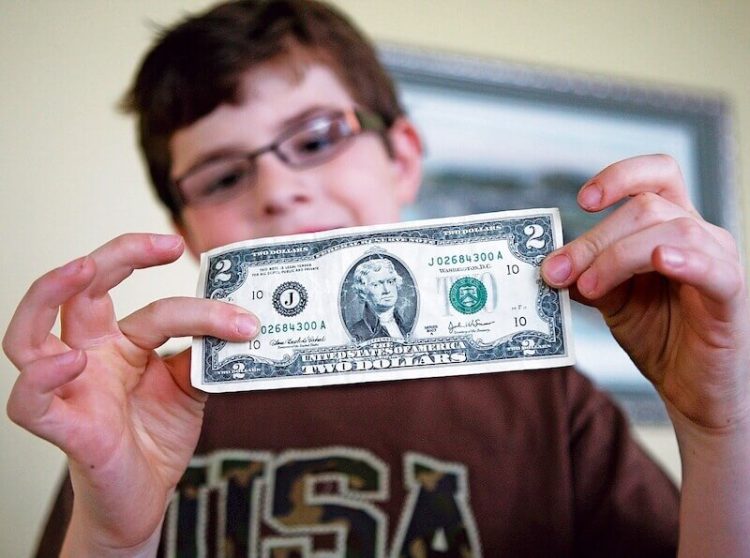
Although two-dollar bills remain legal tender in the United States, they are rarely seen in everyday circulation. This scarcity often leads to confusion – and curiosity – about whether certain notes might be worth more than their printed value. In reality, the most valuable $2 bills stand out due to early issue dates, rare printing variations, and distinctive serial number patterns that attract serious collectors.
At LightFeed, we take a closer look at what separates ordinary two-dollar notes from those that command premium prices. In this guide, we explore the most valuable $2 bills currently recognized in the collector market, explain how to identify features that add real worth, and share practical strategies for selling rare currency at the best possible price.
The History Behind $2 Bills
The $2 banknote has a long heritage in the United States, first issued in the 1860s. Over the years, its design has changed, from large-format notes in early years to the smaller, modern format most people recognize today. Thomas Jefferson’s portrait has appeared on the front of $2 notes since the early 20th century, and the iconic reverse depicts the signing of the Declaration of Independence.
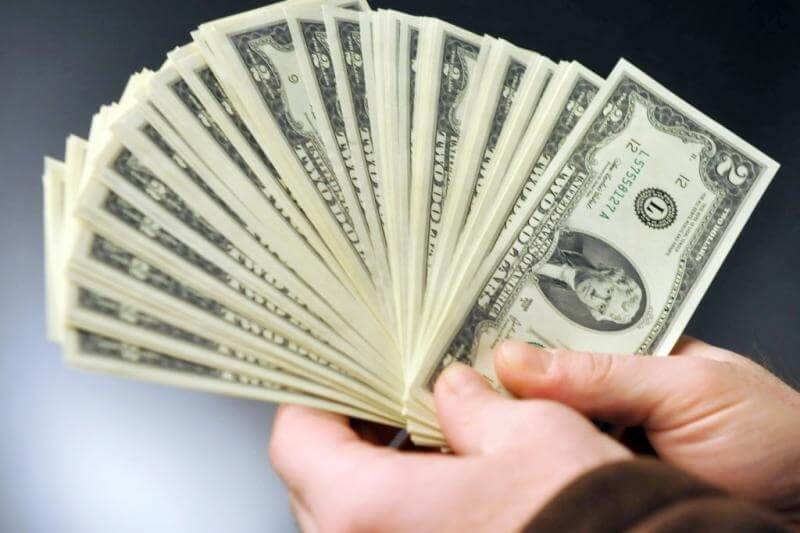
Unlike higher denominations, $2 bills rarely circulate in everyday transactions. Many people receive one as a novelty, tuck it away, or assume it is uncommon simply because they do not see it often. In reality, millions of $2 bills are still in circulation, and most modern examples are worth exactly two dollars.
What often leads to confusion is the belief that limited visibility automatically implies higher worth. In truth, only a small portion of notes qualify as the most valuable $2 bills. Their value depends not on the denomination itself, but on factors such as age, scarcity, physical condition, and distinctive characteristics. Without these elements, most two-dollar notes carry little to no collector premium.
Most Valuable $2 Bills: Types Collectors Look For
Here’s a look at some of the most sought-after $2 bills by collectors and how rare features affect their value.
1860s Legal Tender Notes
Bills from the 1860s, especially early series like those from 1862 and 1869, are among the most collectible. Well-preserved examples from this era can fetch prices in the thousands, depending on condition and rarity.
1890s and Early Silver Certificates
Silver certificates printed in the late nineteenth century combine historical importance with steady collector demand. Notes from the 1890s are frequently included among the most valuable $2 bills when they remain crisp, uncirculated, and free from significant wear.
1928 Series Red Seal Notes
Certain 1928 small-size $2 bills with red seals are especially prized. Collectors pay premiums for star notes (replacement bills with a star next to the serial number), low serials, or unique signatures.
1953 Red Seal Bills with Special Features
Although many mid-century $2 bills are relatively common, select examples stand out due to rare serial patterns or combined characteristics. Bills featuring both star designations and unusually low numbers may be considered among the most valuable $2 bills of their era.
1976 Bicentennial and Other Modern Bills
Even relatively recent notes can be worth more than face value if they have special features like interesting serial sequences, star replacements, or error prints. For example, ladder serial patterns (like 12345678) or palindromes may boost value.
Serial Numbers That Add Value
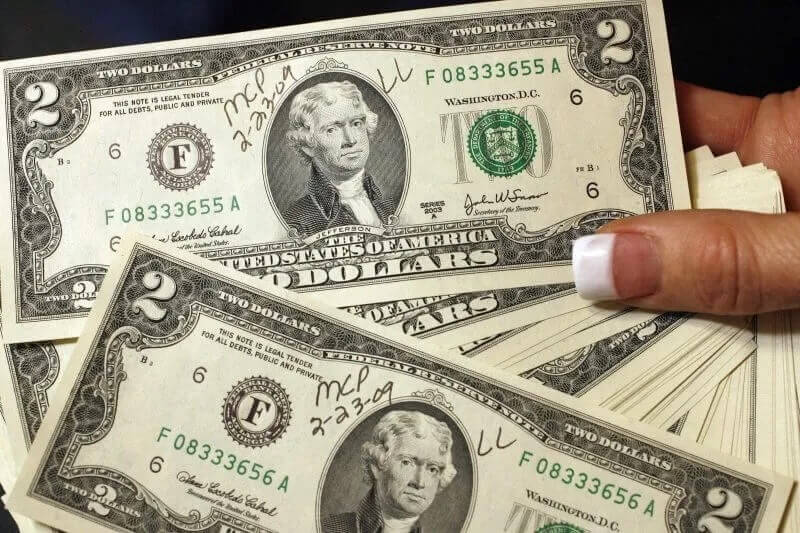
Serial numbers play a surprisingly important role in determining value. Collectors actively seek notes with numbers that stand out visually or mathematically. Examples include:
- Very low serial numbers.
- Repeating or symmetrical patterns.
- Sequential or ladder-style sequences.
- Palindromic numbers that read the same forwards and backwards.
While a special serial number alone may not create high value, it can significantly increase interest when combined with a desirable series or condition.
How To Spot Rare Features
To determine whether a two-dollar note may qualify among the most valuable $ 2 bills, several key indicators are worth examining carefully:
- Serial Numbers: Unusually low numbers (e.g., 000000xx), repeating patterns, palindromic sequences, or other unusual combinations often draw collectors’ attention.
- Star Notes: Star notes replace misprinted bills and carry a star next to the serial number, which makes them more collectible than regular notes.
- Seal Color and Series: Older bills with red seals, specific series years, or limited print runs tend to be more desirable than modern green-seal Federal Reserve issues.
- Errors or Misprints: Printing mistakes – such as misaligned ink, ink smudges, or shifted serial numbers – can turn an otherwise ordinary note into something collectors will pay extra for.
Why Condition Matters When Identifying The Most Valuable $2 Bills
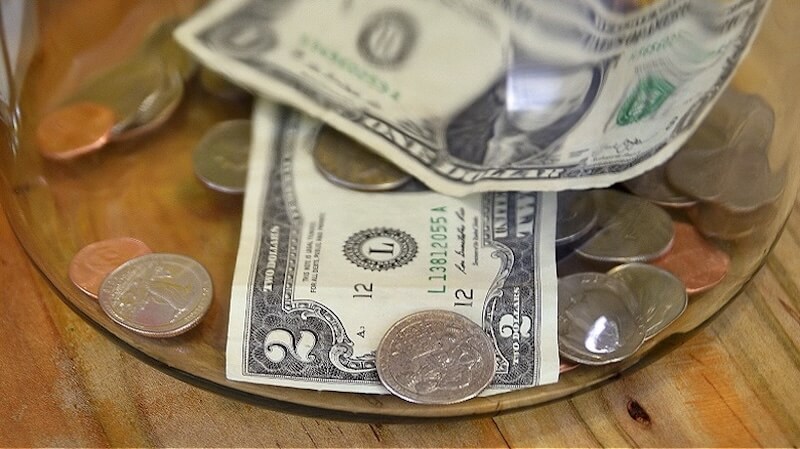
Beyond rare features, physical condition plays a decisive role in determining whether a bill truly ranks among the most valuable $2 bills:
- Uncirculated Notes: Crisp bills with sharp corners, clean surfaces, and no folds, stains, or discoloration consistently command higher prices than circulated examples.
- Professional Grading: Authentication and grading by recognized services such as PCGS or PMG provide an objective quality assessment, which can significantly influence market value and buyer confidence.
To preserve long-term value, collectors should store $2 bills in protective sleeves and keep them away from direct sunlight, humidity, and temperature fluctuations. Proper storage helps maintain condition and maximizes resale potential over time.
Where to Sell Rare $2 Bills for the Best Price
When it comes to selling valuable currency, choosing the right platform can make a big difference:
- Professional Appraisers: Currency dealers and appraisal experts can provide accurate valuations and may connect you with serious buyers.
- Auction Houses: Rare or high-value bills often perform well at auction, where competitive bidding can drive up the final price.
- Collectors’ Clubs and Shows: Direct sales through collector networks or currency shows can help you reach buyers who value specific rarities.
- Online Marketplaces: Specialised websites for currency collectors allow you to reach a wider audience, but always check buyer protection and secure payment options before listing.
- Avoid Quick Resale Options: Pawnshops and local buyers may offer convenience, but they often underpay compared with dedicated collecting channels.
Although the majority of $2 bills still trade at face value, certain notes stand apart in the collector market. Early issues, unusual printing characteristics, and distinctive serial numbers are what elevate select examples into the category of the most valuable $2 bills. Knowing how to recognize these traits – and how to present your notes properly – can make a meaningful difference in their perceived and actual value.
Whether you are casually checking the contents of your wallet or evaluating a collection passed down through generations, informed research and a thoughtful selling strategy can transform ordinary currency into a noteworthy collectible with real market appeal.