
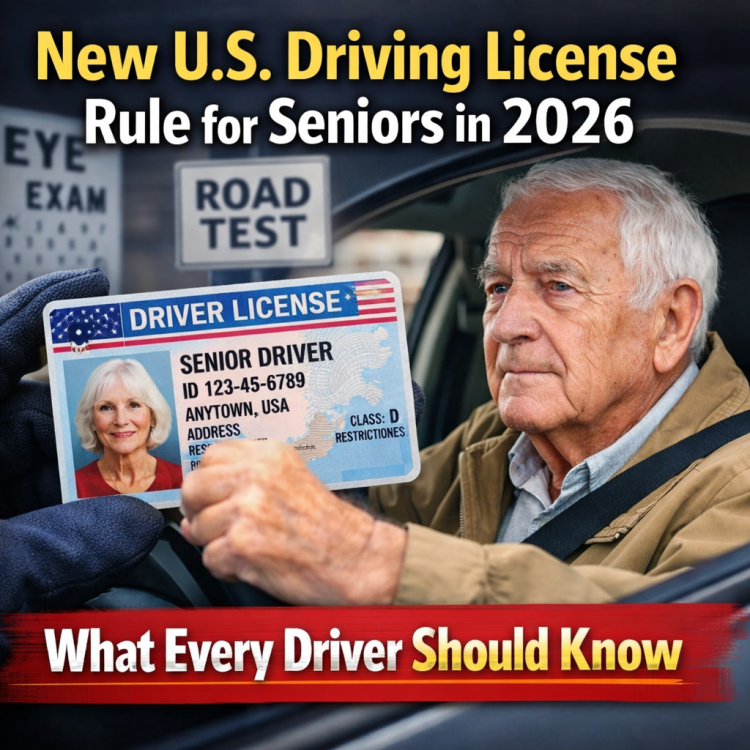
In recent months, there has been a growing discussion around a New U.S. Driving License Rule for senior drivers, as discussed by Light Feed, which is expected to take effect in 2026. With aging populations across the country, many seniors and their families are concerned about how these rules may impact their ability to drive safely. While news and social media posts have often exaggerated or misrepresented the details, understanding the real changes and requirements for 2026 is crucial. This article provides a comprehensive overview of the New U.S. Driving License Rule, what it means for seniors, and practical steps to stay compliant and safe on the road.
Understanding the New U.S. Driving License Rule in 2026
It is essential to clarify that there is no single federal mandate that forces seniors to undergo mandatory tests solely because of their age. The New U.S. Driving License Rule, as discussed in recent 2026 updates, refers to state-level policies aimed at enhancing road safety for older drivers while maintaining independence. In other words, each state has the authority to implement its own renewal processes, vision requirements, or behind-the-wheel tests for seniors. Understanding how these updates work is critical for drivers aged 65 and older in 2026.
How the New U.S. Driving License Rule Affects Seniors
The New U.S. Driving License Rule in 2026 is primarily focused on assessing a senior driver’s ability to operate a vehicle safely. This does not mean seniors are being penalized for their age. Instead, the rule encourages regular evaluations in areas that may impact driving performance, such as vision, cognitive ability, and physical mobility. States are implementing policies that balance safety with convenience, aiming to avoid unnecessary restrictions while protecting all road users.
Vision and Health Assessments
One of the core components of the New U.S. Driving License Rule in 2026 is a vision assessment during license renewal. Seniors may also be asked to provide documentation of health evaluations if concerns arise. These measures are preventive rather than punitive, helping older drivers remain confident and safe behind the wheel.
In-Person and Road Tests
Some states require older drivers to renew their licenses in person, and in certain cases, a road test may be necessary. Typically, these tests are reserved for drivers beyond a specific age or those with medical or driving history concerns. The New U.S. Driving License Rule in 2026 ensures that only drivers who need additional evaluations are tested, reducing unnecessary stress for most seniors.
Renewal Frequency
Under the New U.S. Driving License Rule taking effect in 2026, older drivers may be required to renew their licenses more frequently than younger drivers. While standard renewal periods for younger adults range from four to eight years, seniors might need to renew every one to two years. This allows states to monitor driving abilities more closely and address any safety concerns promptly.
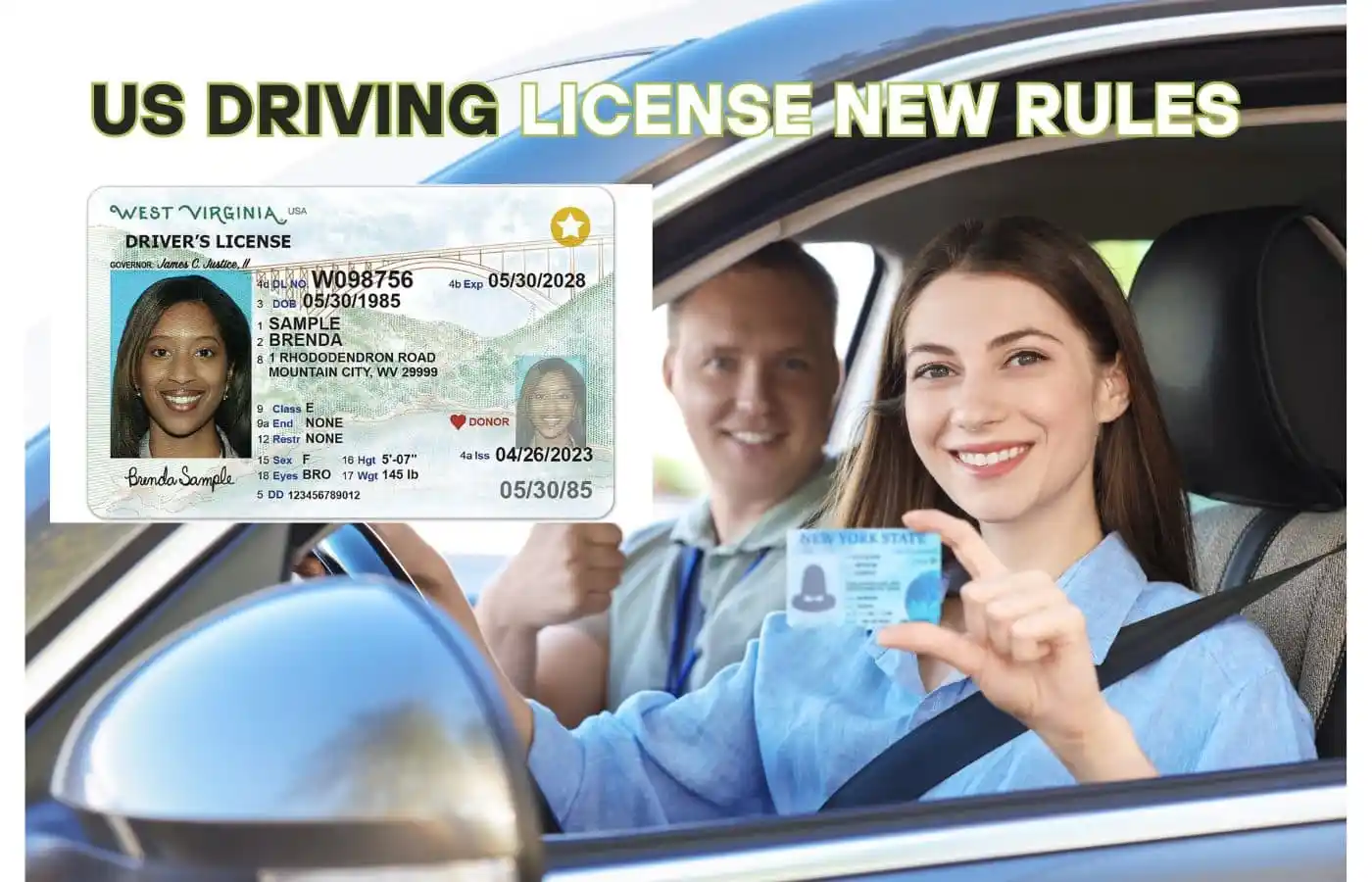
Common Myths About the New U.S. Driving License Rule in 2026
The announcement of the New U.S. Driving License Rule has led to several misconceptions. Addressing these myths can help seniors and their families feel informed and reassured.
Myth 1: All Seniors Must Take Annual Tests
Contrary to popular belief, not every senior driver is required to take yearly tests. Most states base their requirements on age brackets, driving records, or health evaluations rather than a blanket rule. Only a subset of drivers may need additional assessments in 2026.
Myth 2: Seniors Will Lose Their Licenses Automatically
No driver loses their license simply because of age. The New U.S. Driving License Rule in 2026 focuses on ensuring drivers meet safety standards. Licenses may only be revoked or limited if an individual fails required evaluations or is deemed unsafe.
Myth 3: Federal Law Governs Senior Driver Rules
There is no federal law that enforces mandatory vision, cognitive, or road tests for all seniors. Licensing is primarily a state responsibility, and the New U.S. Driving License Rule in 2026 reflects individual state initiatives rather than a nationwide mandate.
Tips for Complying with the New U.S. Driving License Rule in 2026
Seniors can take several proactive steps to comply with the New U.S. Driving License Rule and maintain safe driving habits in 2026:
- Know Your State’s Requirements
Because the New U.S. Driving License Rule differs by state, it is crucial to understand the specific regulations where you live. Check your state DMV for renewal procedures, testing requirements, and documentation needed for seniors. - Schedule Health and Vision Checkups
Regular medical and vision checkups can help seniors meet the requirements of the New U.S. Driving License Rule in 2026 and ensure safety on the road. Keeping up with these appointments also helps in addressing any changes in health that may affect driving. - Review Driving Skills
Even if your state does not require frequent road tests, practicing safe driving techniques is always beneficial. Defensive driving, awareness of traffic rules, and recognizing personal limitations are essential for staying compliant with the New U.S. Driving License Rule. - Plan Ahead for License Renewal
Avoid last-minute stress by preparing documents and scheduling appointments ahead of time. Many states offer online reminders or appointment booking for seniors, making compliance with the New U.S. Driving License Rule in 2026 easier.
Benefits of Following the New U.S. Driving License Rule
Adhering to the New U.S. Driving License Rule in 2026 provides several advantages:
- Improved Road Safety: Regular evaluations help identify potential issues early, reducing accidents.
- Maintained Independence: Seniors can continue driving safely for longer by addressing health and skill concerns proactively.
- Insurance Advantages: Some programs may offer discounts for seniors who complete safe driving courses.
- Peace of Mind: Families and seniors can feel confident about the safety of older drivers on the road.

Preparing for the Future
States may continue to update and refine the New U.S. Driving License Rule in 2026 to respond to demographic changes and evolving safety standards. Seniors should remain proactive, stay informed about policy updates, and prioritize health and driving skills. Being prepared ensures that license renewal is straightforward and that seniors can enjoy safe, independent driving for years to come.
FAQs: New U.S. Driving License Rule for Seniors in 2026
Q1. What is the New U.S. Driving License Rule?
A: It refers to state-level updates in 2026 aimed at ensuring senior drivers can operate vehicles safely. Requirements may include vision tests, health screenings, and occasional road tests depending on the state.
Q2. Do all seniors have to take road tests?
A: No. Road tests are typically required only for drivers in certain age groups or those with medical or driving history concerns.
Q3. Will I lose my license automatically because of my age?
A: No. Age alone does not revoke a license. Licenses may only be limited or revoked if safety concerns arise.
Q4. How often do seniors need to renew their licenses under the new rule?
A: Renewal frequency varies by state, but seniors often need to renew every one to two years instead of the standard four to eight years in 2026.
Q5. How can seniors prepare for the New U.S. Driving License Rule?
A: Seniors should know their state requirements, maintain regular health and vision checkups, practice safe driving, and plan renewal appointments in advance.
Conclusion
The New U.S. Driving License Rule in 2026 for seniors is designed to ensure road safety while allowing older adults to maintain their independence. By understanding state-specific requirements, keeping up with vision and health checkups, and staying proactive about license renewals, seniors can continue driving confidently and safely. Rather than being a restriction based solely on age, this rule emphasizes responsible, capable driving and empowers seniors to take control of their mobility. Staying informed and prepared is the key to navigating the New U.S. Driving License Rule in 2026 successfully and enjoying safe driving for years to come.