
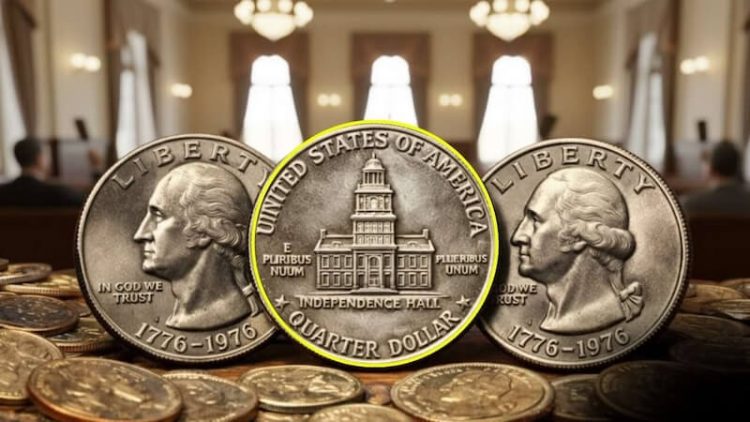
While most 1976 Bicentennial quarters remain worth just 25 cents, a closer inspection shows that a small number qualify as the most valuable 1976 quarters sought after by collectors. These coins gain their worth not simply from age, but from rare minting errors, special compositions, and exceptionally high condition.
In this guide, LightFeed explains what separates ordinary Bicentennial quarters from truly valuable examples, how to identify features that increase collector demand, and practical tips for selling rare coins at the best possible price.
Why Some 1976 Quarters Are Considered Valuable
The United States Mint produced hundreds of millions of Bicentennial quarters in 1976, which is why the vast majority remain worth just 25 cents in everyday use. Yet within that large number, a handful of coins stand apart due to unexpected anomalies or special production characteristics that make them appealing to collectors around the world.
For example, most valuable 1976 quarters often owe their premium price not to age but to features such as dramatic minting errors, proof or silver strikes, and certification at very high grades – all of which create scarcity in a market otherwise dominated by ordinary specimens.
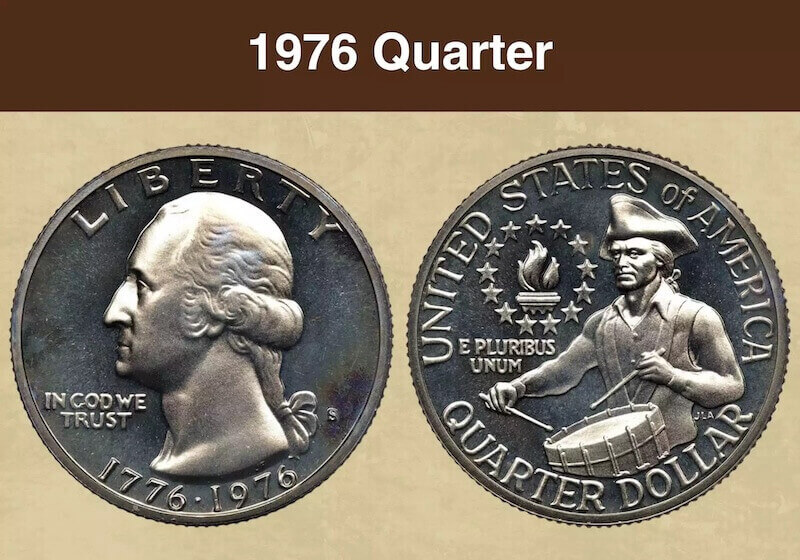
Key Features That Drive Value in 1976 Quarters
When assessing whether a particular Bicentennial quarter might be one of the most valuable 1976 quarters, it helps to understand the features collectors prioritize.
Mint Errors & Striking Anomalies
Coins struck off-center, struck on improper planchets, or bearing doubled die characteristics can be among the most valuable. These irregularities often increase desirability because they are not supposed to happen, making surviving examples rare.
Silver Proof and High-Grade Strikes
San Francisco struck a limited number of 1976 quarters in 40% silver for collector sets. Proof coins and high-grade silver strikes – especially those graded PR67 and above by professional services – are often included among the most valuable 1976 quarters.
Exceptional Condition
Collector grade matters. A coin that earns an MS67 or above (for uncirculated) or a PR70 (proof) grade from established grading services like PCGS or NGC may command significantly higher prices compared to similar pieces in lower condition tiers.
Top Varieties of Most Valuable 1976 Quarters
Here are the main categories where high values tend to occur.
Dramatic Off-Center Errors
Off-center strikes happen when a coin isn’t properly aligned during minting. Certain off-center percentages (e.g., 15-40% or higher) – especially with visible date and design elements – can draw collector interest and push a quarter’s value well above face value.
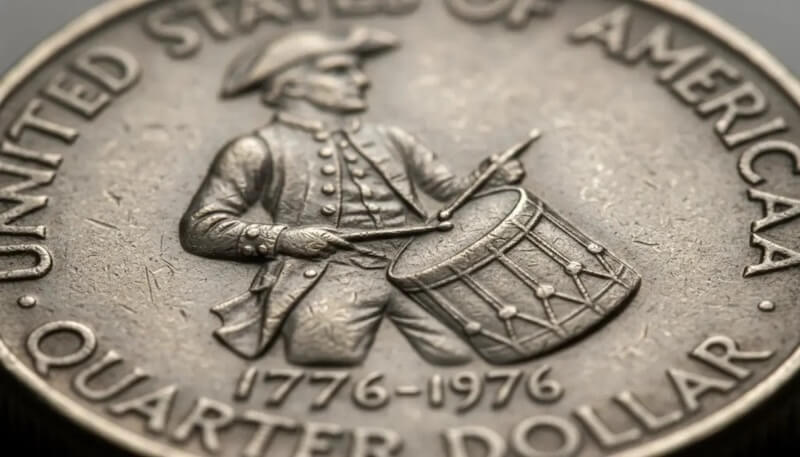
Doubled Die Quarters
A doubled die results from misalignment during the die creation process, causing lettering or design images to appear doubled. This type of error is often easily spotted under magnification and can be significantly more valuable than standard issues.
San Francisco Silver Proof Strikes
Quarters struck at the San Francisco mint in 40% silver and released as proof coins were intended for collectors. In exceptional condition, these coins – particularly those graded near perfect – are among the most valuable 1976 quarters on the market.
Broadstrike and Clipped Planchet Errors
Broadstrikes occur when a coin expands beyond its normal diameter due to a missing retaining collar at striking. Clipped planchets result when part of the blank is missing. Both errors create visually interesting coins that can appeal to collectors.
How to Examine Your 1976 Quarter Safely?
Before assuming any coin is valuable, it’s important to inspect it carefully without harming its condition:
- Use a 10× magnifying glass to check for clear errors such as doubling or off-center design.
- Avoid cleaning or polishing the coin, as surface alteration permanently reduces collector value.
- Examine the mint mark (typically near the date): D for Denver, S for San Francisco, or none for Philadelphia.
Small details – like subtle die cracks or unusual thickness – may be the difference between a normal quarter and one of the most valuable 1976 quarters.
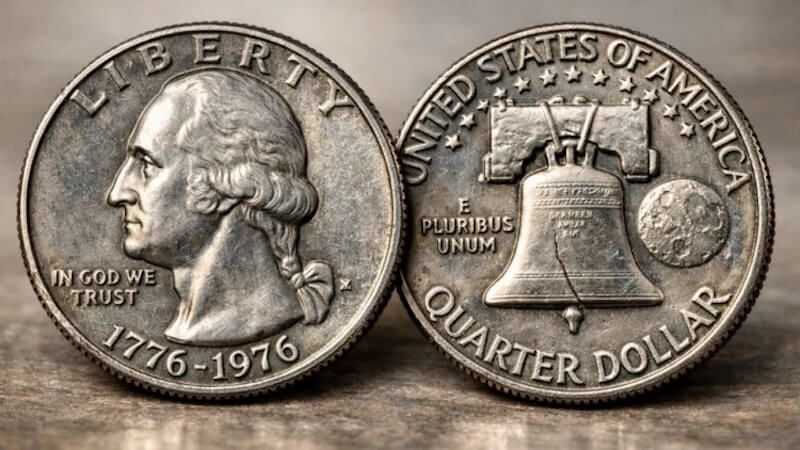
Professional Grading & Documentation
One of the most reliable ways to confirm whether you possess a high-value coin is through professional grading. Reputable services such as PCGS and NGC assign numerical grades that help assure potential buyers of a coin’s authenticity and condition – two essential factors that boost market confidence and price potential.
Current Market Value Trends (2025 – 2026)
While most circulated 1976 Bicentennial quarters remain common, proof and error varieties – especially those with certification – can command prices ranging from several hundred to five figures. Coins graded at top tiers by professional services frequently perform best in auctions or private treaty sales.
Recent cases include high-grade proof strikes and significant mint errors selling for values that far exceed standard expectations, demonstrating how understanding rarity factors can pay off.
Where to Sell Your Most Valuable 1976 Quarters
Selling strategy depends largely on the estimated value:
- Lower-value collectible coins: Local coin shops or online marketplaces.
- High-value or rare coins: Specialist auctions or private sales arranged through reputable dealers.
Always get multiple opinions before committing to a sale, especially for coins believed to be among the most valuable 1976 quarters.
Tips to Maximize Sale Price
Maximizing the selling price of a collectible coin requires more than simply listing it for sale. Presentation, timing, and credibility all play a crucial role in how potential buyers perceive value – especially when dealing with rare or high-grade pieces.
Include Professional Grading And Certification
If your coin has been authenticated and graded by recognized services such as PCGS or NGC, always highlight this information prominently. Certified coins provide buyers with confidence regarding authenticity and condition, which often results in stronger offers and faster sales.
Present Clear Images from Different Angles
Detailed photographs are essential when selling collectible coins online or through auctions. Capture both sides of the coin, close-ups of key features, and any visible errors or unique traits. Proper lighting and sharp focus help potential buyers assess quality without hesitation.
Select the Best Selling Platform
Not all coins perform well in the same marketplace. Lower-value collectibles may sell quickly through local dealers or online marketplaces, while high-value or rare coins often achieve better results through specialist auction houses where serious collectors actively compete.
Time Your Sale Strategically
Market demand can fluctuate depending on collector trends and auction schedules. Selling during major coin auctions or periods of heightened collector interest can significantly increase exposure and final sale prices.
Avoid Rushing The Sale
Rare coins rarely achieve their full value in quick transactions. Allowing time for the right buyer to emerge – particularly through curated auctions – often leads to higher offers than immediate, impulse sales.
Add Detailed Descriptions & Context
Clear explanations of rarity, condition, historical context, and certification details help buyers understand why a coin is worth a premium. Transparency builds trust and reduces hesitation during bidding or negotiation.
By combining strong presentation, credible documentation, and thoughtful timing, sellers can significantly improve their chances of achieving the best possible return on collectible coins.
Final Thoughts
A 1976 quarter might start life as just a common piece of pocket change – but under the right circumstances, it could be one of the most valuable 1976 quarters collectors are actively searching for today. Identifying rare features, understanding grading implications, and choosing the right selling channel are essential steps toward realizing a coin’s full potential.